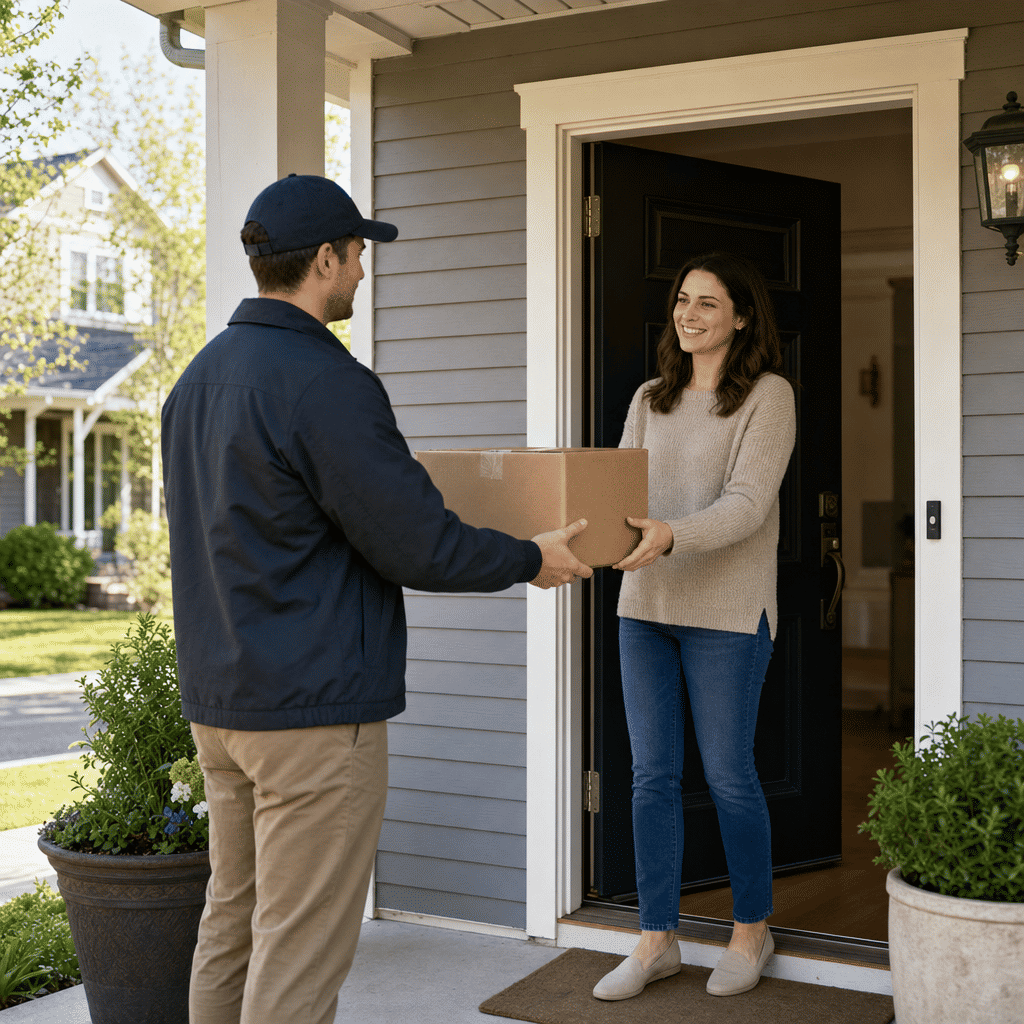
In the fast-paced world of courier services, where expectations for speed and reliability are higher than ever, enhancing the customer experience has become a critical priority. In an era dominated by digital connectivity and instant gratification, companies are reimagining the delivery process to not only meet but exceed customer expectations.
At the core of this transformation is a customer-centric approach that places the needs and preferences of the consumer at the forefront of service design and delivery. By focusing on efficient service and seamless communication, courier companies are redefining the delivery experience.
Personalized Service and Flexibility
One of the most significant shifts in the courier industry is the move towards personalized service. Customers today demand flexibility in their delivery options, preferring choices about when and where their packages are delivered. Many companies are responding by offering customizable delivery time slots, multiple pick-up and drop-off locations, and real-time tracking options. This level of personalization not only enhances the customer experience but also fosters loyalty and encourages repeat business.
Leveraging Technology for Real-Time Communication
Effective communication is paramount in ensuring a smooth delivery experience. Technology plays a pivotal role in this aspect, enabling real-time updates and interactions between the courier service and the customer. Advanced tracking systems allow customers to monitor their package's journey from dispatch to delivery, providing peace of mind and reducing uncertainty.
Moreover, automated notifications through SMS, email, and app alerts keep customers informed about the status of their shipments. This transparency is critical in an age where consumers expect to remain in the loop throughout the delivery process.
Enhancing Last-Mile Delivery
The last mile of the delivery process is often where customer experiences falter, as this stage holds the potential for delays and miscommunications. Courier companies are increasingly focusing on optimizing last-mile delivery through data analytics and route optimization. By analyzing traffic patterns and utilizing machine learning algorithms, businesses can predict the most efficient delivery routes, minimizing delays and enhancing punctuality.
Additionally, partnerships with local couriers and the use of innovative delivery solutions, such as drones and autonomous vehicles, are being explored to further streamline last-mile operations.
Building a Customer-Centric Culture
Ultimately, a successful transformation hinges on cultivating a customer-centric culture within the organization. Employees at all levels, from delivery personnel to customer service representatives, must be aligned with the goal of creating exceptional customer experiences. Training programs focused on communication skills, empathy, and problem-solving can empower staff to resolve issues swiftly and effectively, turning potential negative experiences into positive ones.
Feedback Loops for Continuous Improvement
To truly enhance customer experiences, it is vital to maintain an ongoing dialogue with consumers. Feedback loops via surveys, reviews, and direct communications enable companies to gather insights into customer preferences and pain points. This data becomes invaluable in driving continuous improvement initiatives, identifying trends, and fine-tuning service offerings to better meet customer needs.
Conclusion
In the competitive realm of courier services, prioritizing customer experience is more than just a strategy—it's a necessity. By adopting a customer-centric approach, leveraging technology for real-time communication, optimizing last-mile delivery, and fostering a culture committed to excellence, courier companies can ensure satisfaction and cultivate enduring customer relationships. As businesses continue to innovate and evolve, the delivery experience will not only meet the rising expectations of consumers but become a distinguishing factor propelling success in the industry.